Howell Legacy Garden
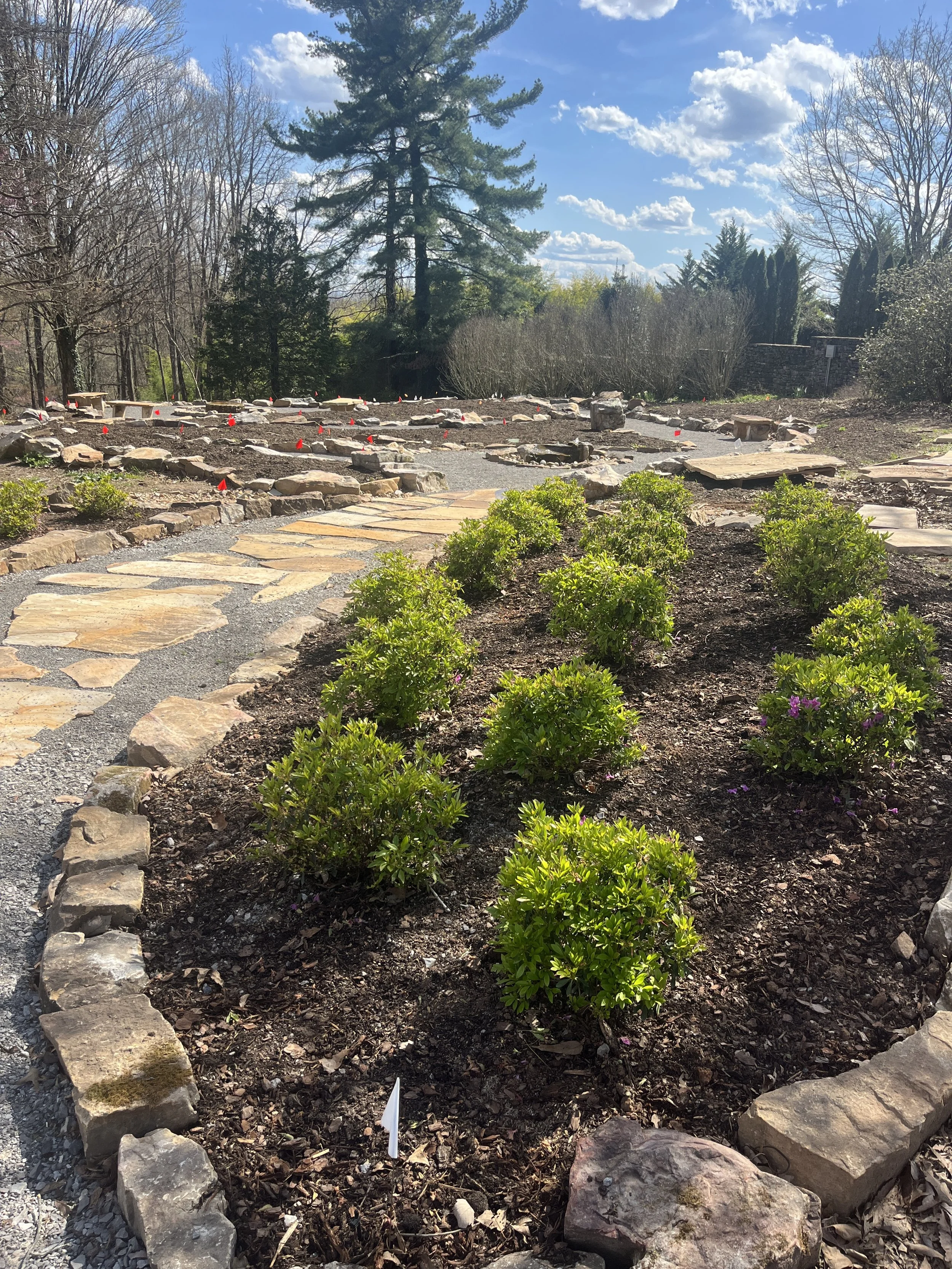
The Howell Legacy Garden is the newest garden on the property and is, in some sense, where the story of Knoxville Botanical Garden & Arboretum begins. The Howell Family nurseries operated on this land for generations, and the plants growing here today reflect that history — species the Howell family cultivated, sold, and enjoyed themselves.
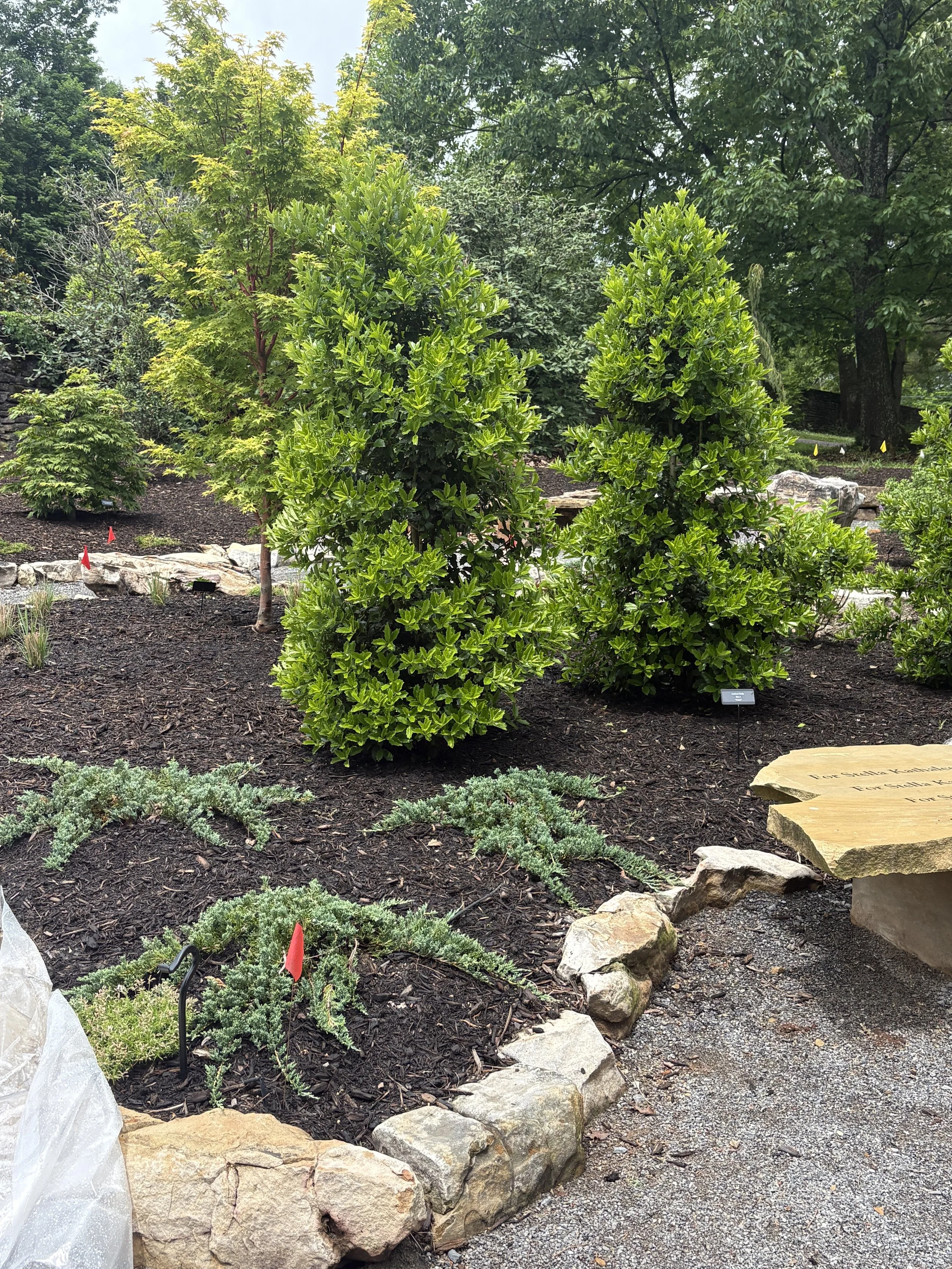
The nurseries were known for plants like Aucuba, Camellia, and Dawn Redwood — family favorites as well as nursery staples. You will find all three here, along with many others that were central to the nursery's identity.
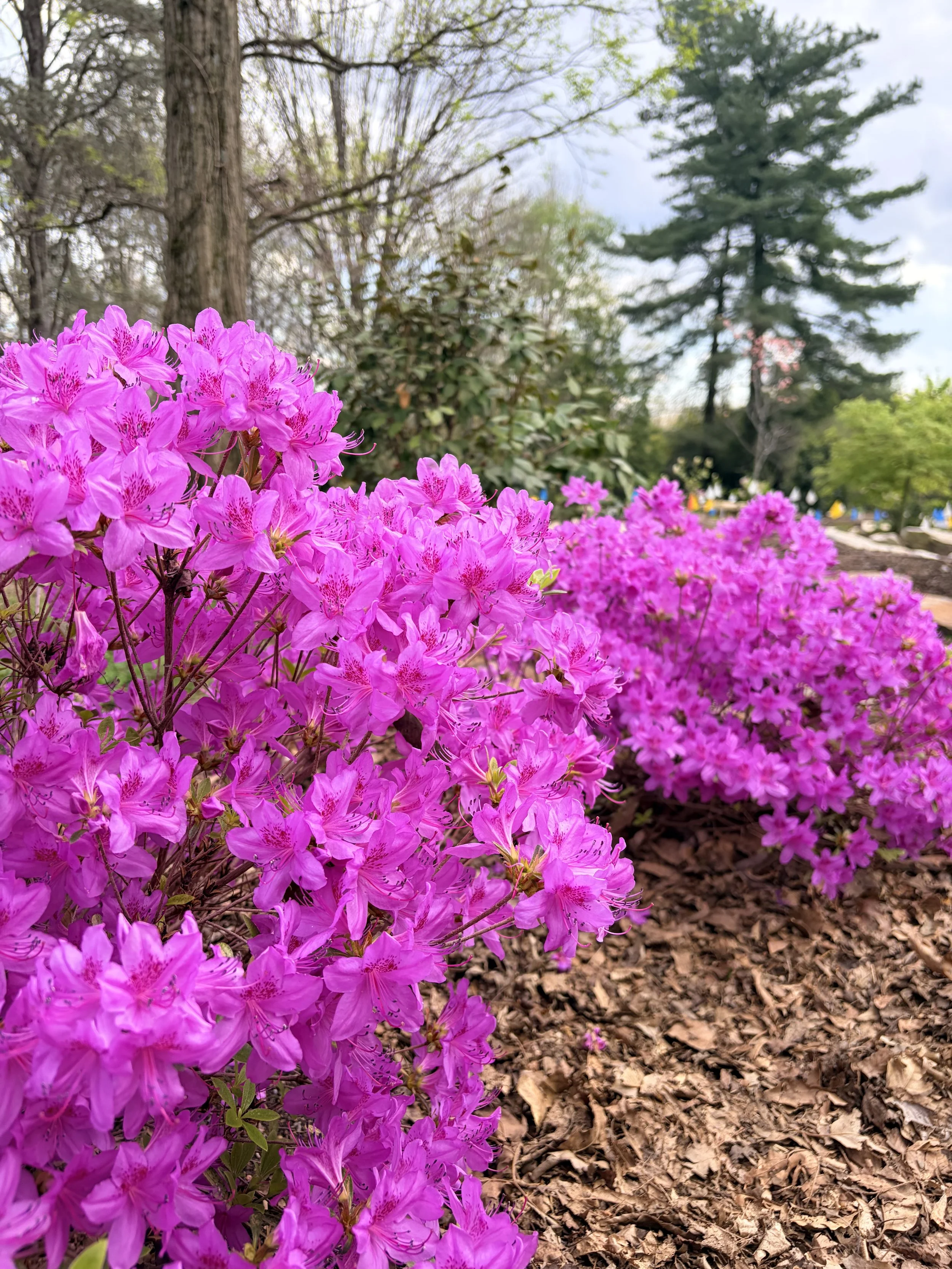
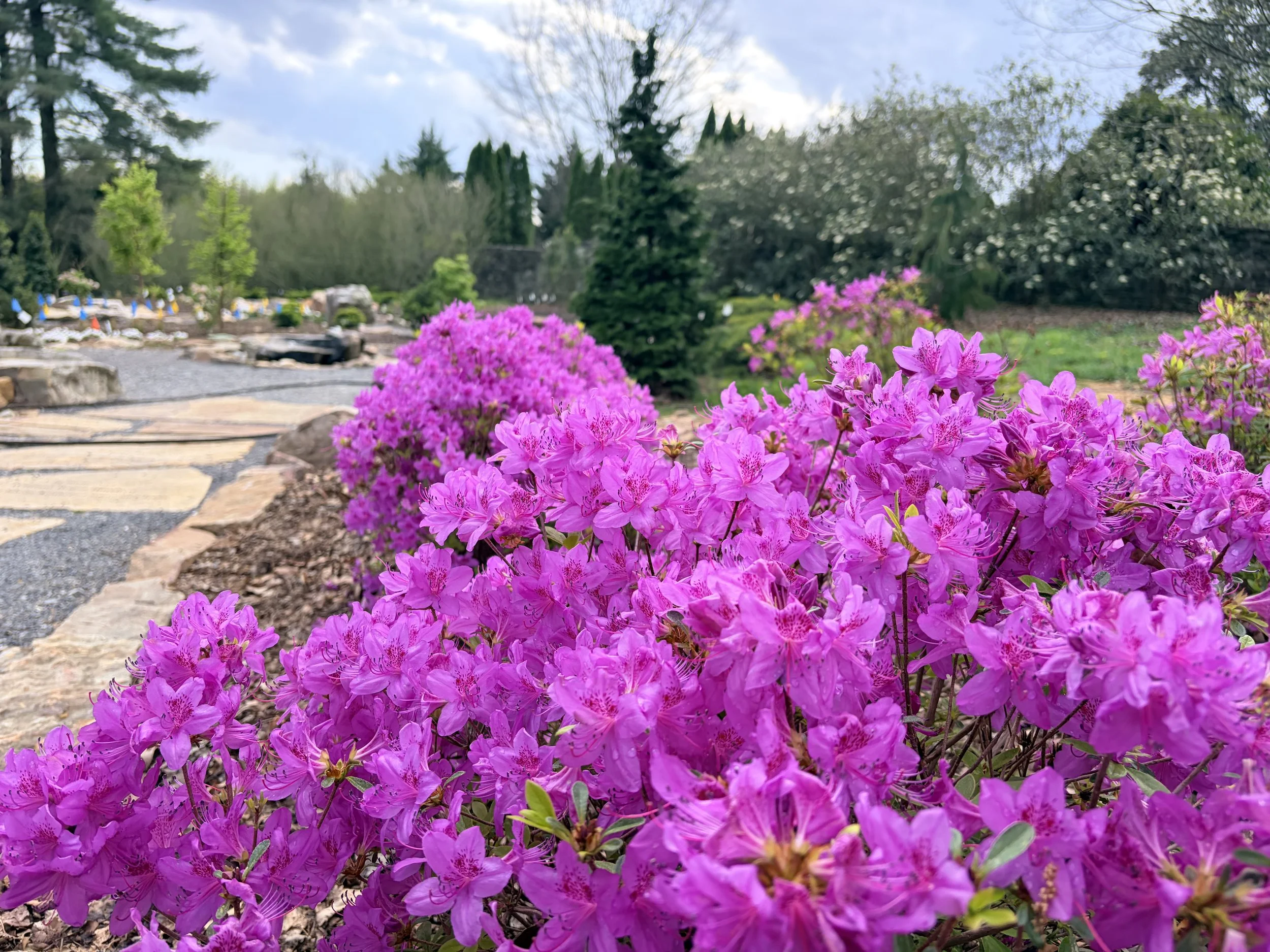
The garden also honors Jenny Howell Jukes, Joe's daughter, whose vision led to the creation of this public garden. When Joe passed away in 1980, Jenny left her career to run the Joe N. Howell Landscape Nursery, managing the business and its crews for more than twenty years. As she approached her seventh decade, she began looking for a way to preserve what her family had built, leading to the formation of Knoxville Botanical Garden and Arboretum. Jenny's favorite plants — peonies, Lenten roses, Korean azaleas, and Japanese Maples — are represented throughout the garden in her memory.
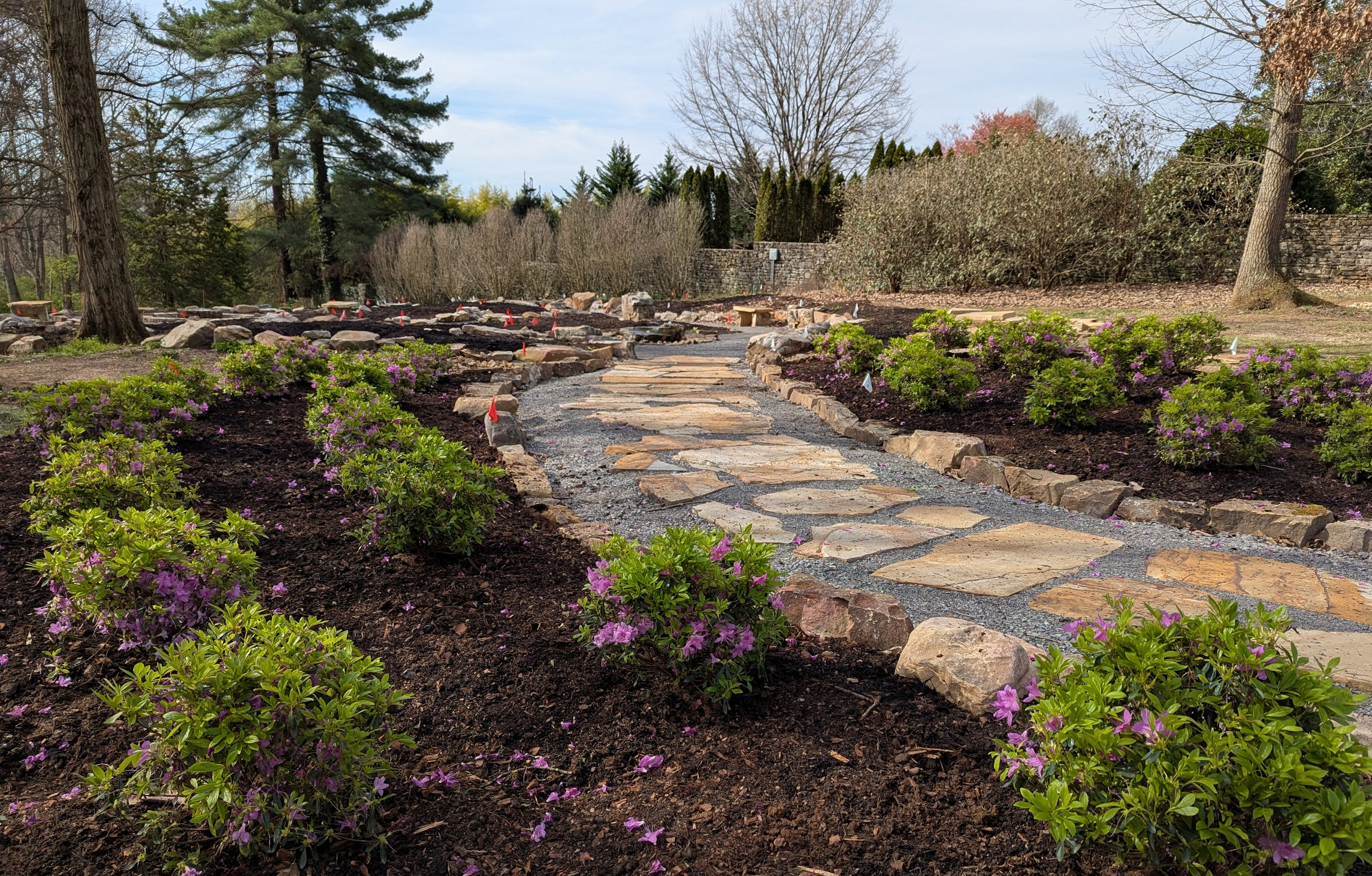
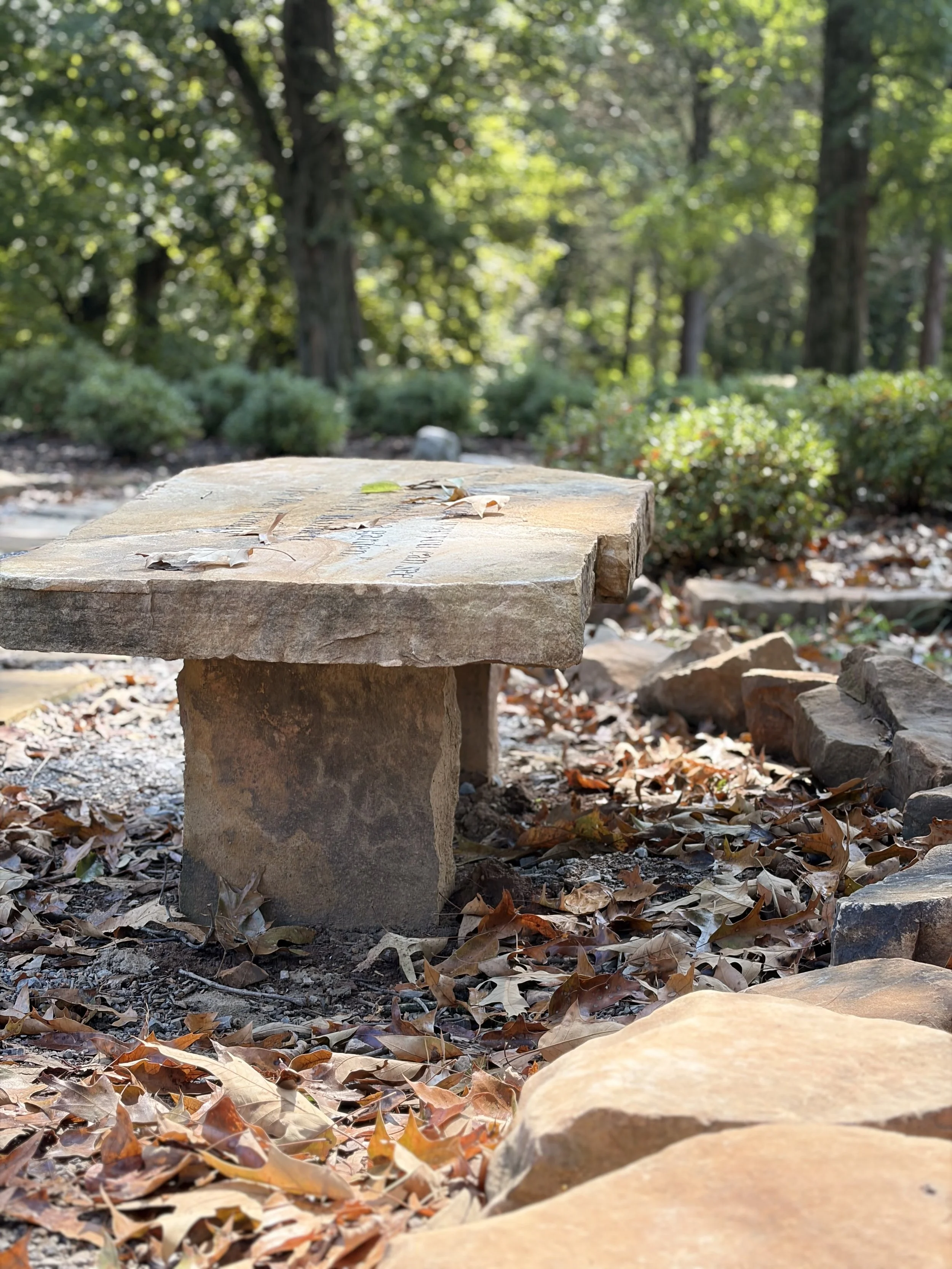
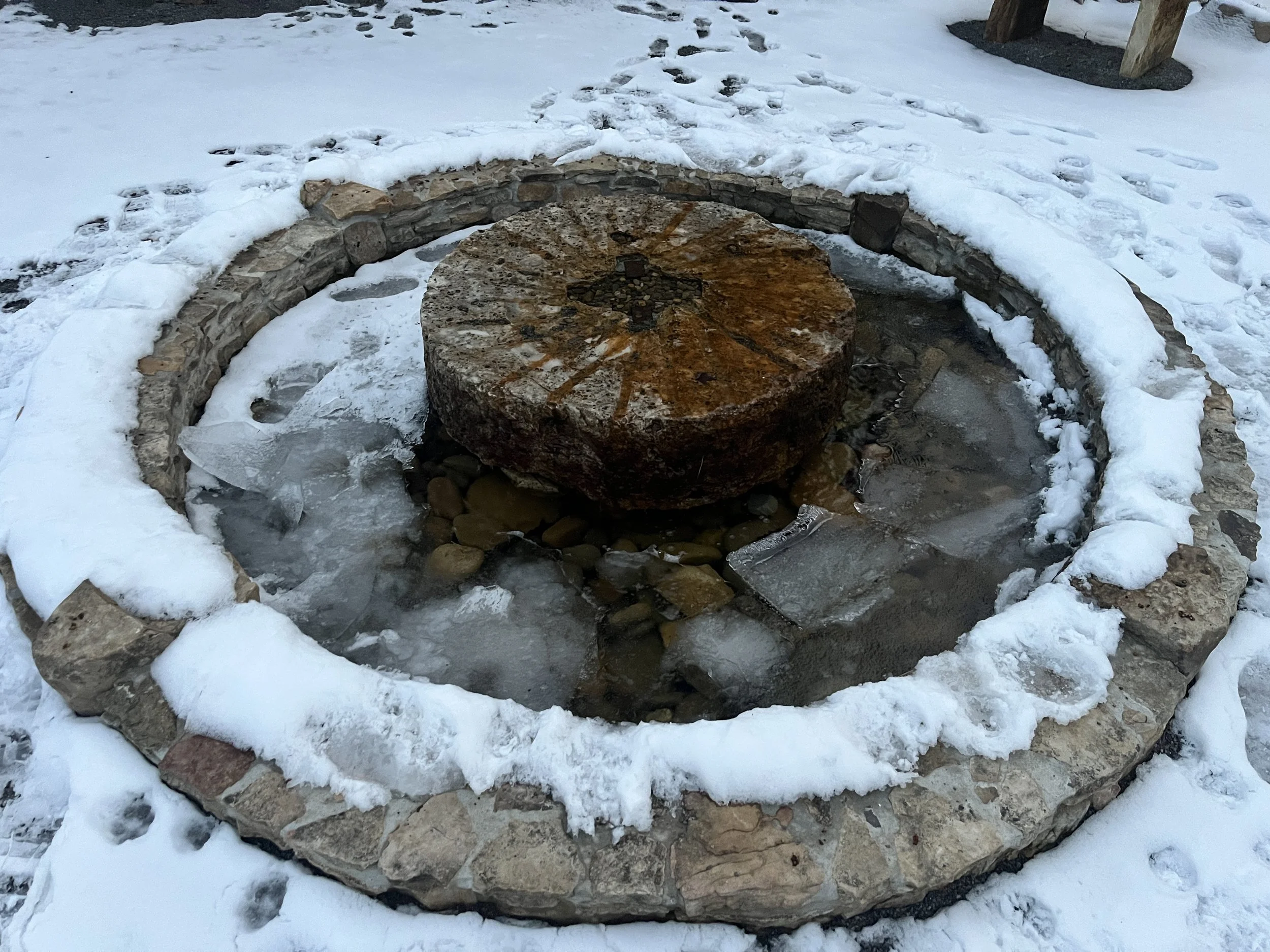
As you walk the paths of the Howell Legacy Garden, engraved Legacy Stones & Benches honor and celebrate loved ones, memories, and connections to this remarkable place. Two water features anchor the space, including one crafted by local artist Gerry Moll from a historic millstone, one of several which the Howells incorporated into their hardscaping across the property.
PLANTS OF THE HOWELL LEGACY GARDEN
'Cherokee Chief' Flowering Dogwood The Howell family played a significant role in developing pink and red flowering dogwoods. They propagated and crossed many pink dogwoods, including a notable pink dogwood discovered by Bruce Howell in Prosser's Wood. The 'Cherokee Chief' is a direct descendant of that breeding work, and many modern red dogwood cultivars trace their lineage back to it.
'William Toovey' Crepe Myrtle Originally called Watermelon Red by the Howells, this cultivar is a direct contribution from the nursery to the horticultural trade. Its deep red-pink blooms are striking in summer, and its fall color evokes fire. It remains a popular cultivar today.
Strawberry In the 19th century, before the nursery shifted its focus to ornamental landscaping, the Howells supplied settlers moving westward with practical plants — berry bushes, fruit trees, crop seed — and their strawberries were particularly well known for their size. In celebration of this early focus, this garden includes a native nod to the strawberry with plantings of Fragaria virginiana.
Japanese Maple Japanese Maples were a Howell favorite and a nursery staple. The Howell Legacy Garden features a striking sampling of these maples, including Full Moon, Vidiris, Tamukeyama, and Coral Bark.
Conifers Joe Howell was particularly partial to Asiatic conifer specimens, and the nursery was well known for its conifer offerings. The garden features a range of specimen conifers in that tradition: 'Green Prince' Cedar of Lebanon, Weeping Nootka Cypress, 'Blue Ice' Arizona Cypress, 'Horstmann' Blue Atlas Cedar, Densiformis Yew, 'Well's Special' Hinoki Cypress, and 'Old Gold' and 'Gold Tip' Junipers.
Holly The Howells were known for their hollies, and the Burford Holly stands as one of their most enduring contributions to the trade — a cultivar still widely used today. The garden also features 'Greenleaf' American Holly, Oakleaf® Holly, and Dwarf Yaupon Holly.
Ginkgo Joe Howell was especially fond of Ginkgo. The garden includes two: a large, straight species tree and a 'Mariken' Ginkgo, a compact cultivar with a distinctive bushy form.
Boxwood Boxwoods were a defining plant of 20th-century American horticulture, and the Howells played a significant role in their proliferation and popularity in this region.
Azalea Azaleas were among the plants the Howells were best known for. The garden entrance is flanked with more than 30 Korean Azaleas, a favorite of Jenny Howell Jukes. As the garden matures and the canopy grows, more azaleas will be added.
DanaeDanae racemosa can take up to seven years to grow from seed to a one-gallon sellable plant — a timeline that discouraged most nurseries from carrying it. The Howells offered it anyway, and it became a signature plant for them. Its graceful, arching form provides elegance and interest in the garden.