
Strategic Plan
2025 - 2028
Knoxville Botanical Garden and Arboretum’s 2025-2028 Strategic Plan reflects three priority areas most critical to the organization’s long-term health and ability to serve the community. The plan was approved by the Garden’s Board of Directors in June 2025. We invite you to learn more about each priority area below.
-
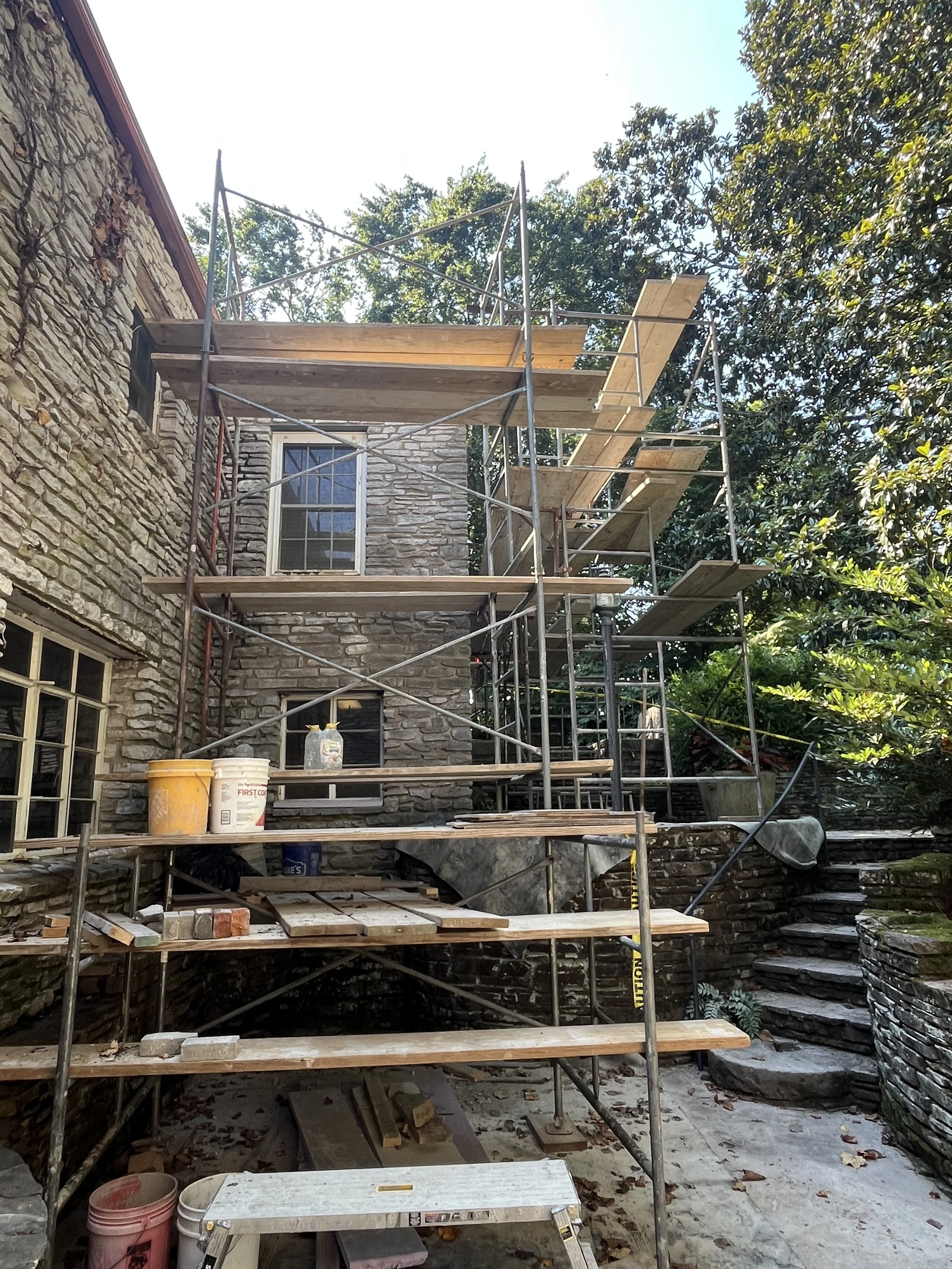
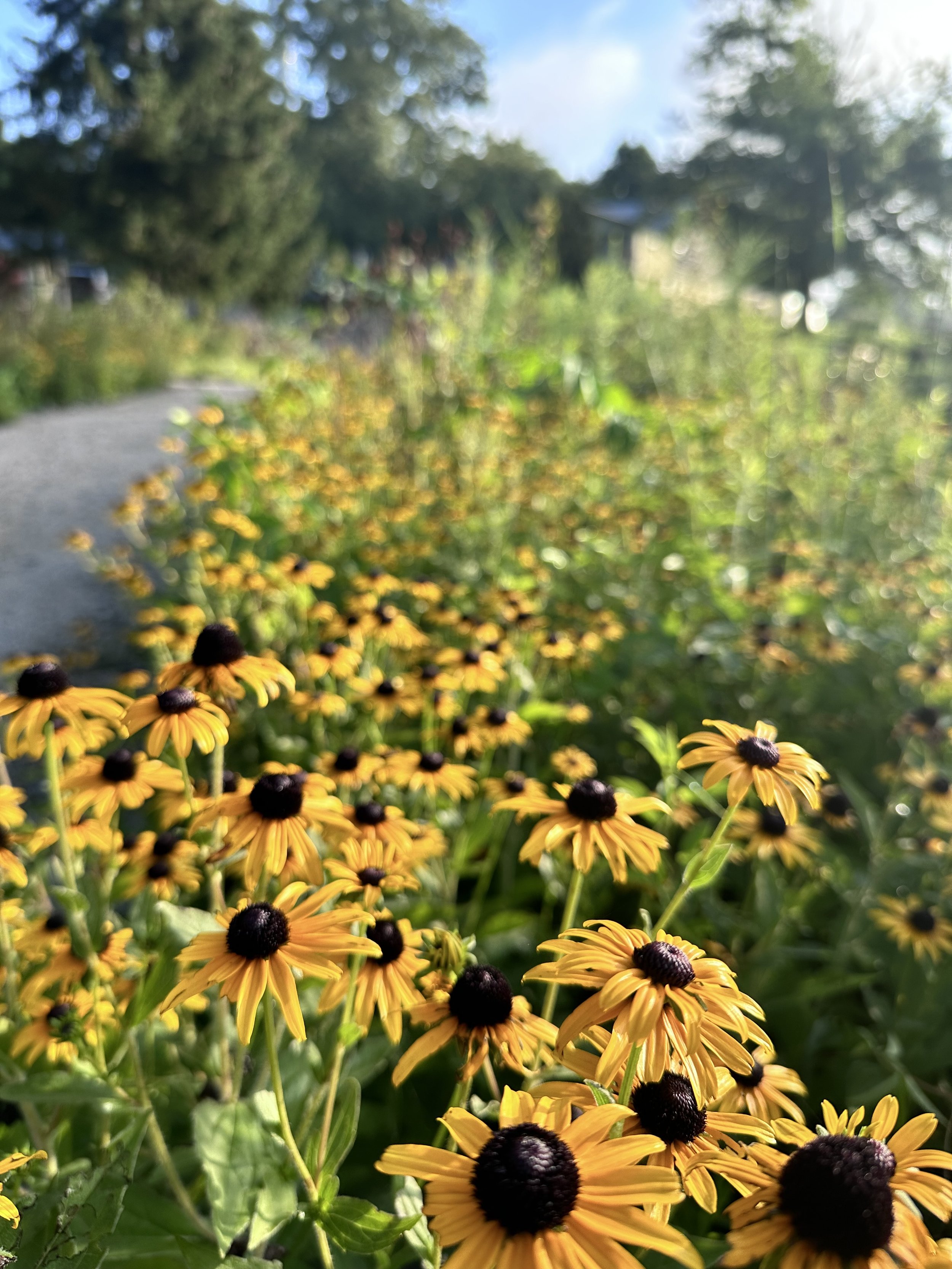
The Garden is focused on advancing horticultural excellence and enhancing visitor experience across the 44-acre property. Key initiatives include completing the Howell House Visitor Center rehabilitation and Phase One of the Howell Legacy Garden, articulating a shared horticultural vision, and implementing succession planning to guide the long-term stewardship of plants and landscapes. Comprehensive evaluation and preservation plans for all structures and stone walls are underway, ensuring that facilities and historic features are maintained with clear priorities and funding strategies.
Operational effectiveness is a parallel priority, emphasizing planning, resource management, and infrastructure support. Each garden will have a dedicated horticulture plan and a robust inventory system for accessioning and deaccessioning plants. Adequate staffing, equipment, vehicles, and facilities will be ensured to support garden operations, alongside professional development and continuing education opportunities for staff. Volunteer engagement will be expanded through targeted recruitment and retention, fostering an active and skilled community to support garden care and programming.
Master Plan implementation will address emerging visitor and operational needs. Improvements include optimizing traffic flow, parking, accessibility, signage, wayfinding, and plant identification, as well as exploring the creation of additional garden spaces. Operational functionality will be supported by strategic equipment storage, maintenance plans, and consideration of future property acquisition. Together, these efforts ensure the Gardens remain sustainable, accessible, and poised for long-term growth and excellence.
PRIORITY AREA 1
-
The Garden is focused on strengthening financial sustainability and diversifying revenue streams. This includes expanding the donor base to encompass individuals, foundations, government, and corporate supporters, supported by a robust Donor Relationship Management system. Additional revenue initiatives include enhancing plant sales, exploring the development of a revenue-producing nursery, maximizing income from special events, and continuing growth of the gift shop, membership program, potential café, and other opportunities. Strategic partnerships with aligned organizations will also be evaluated, while financial resilience will be bolstered through the establishment of a one-year operating reserve and growth of the endowed fund to ensure long-term operational support.
Operational excellence is a parallel priority, emphasizing systematization of records and procedures, streamlined internal communications, and adoption of best practices. This includes updating the employee handbook, creating standard operating procedures, maintaining curated archives, defining organizational structure and job descriptions, implementing annual planning and performance evaluations, and visiting peer institutions to inform growth strategies. Venue rental revenue will also be optimized through regular evaluation of event locations, pricing, and occupancy to maximize overall financial success.
PRIORITY AREA 2
-
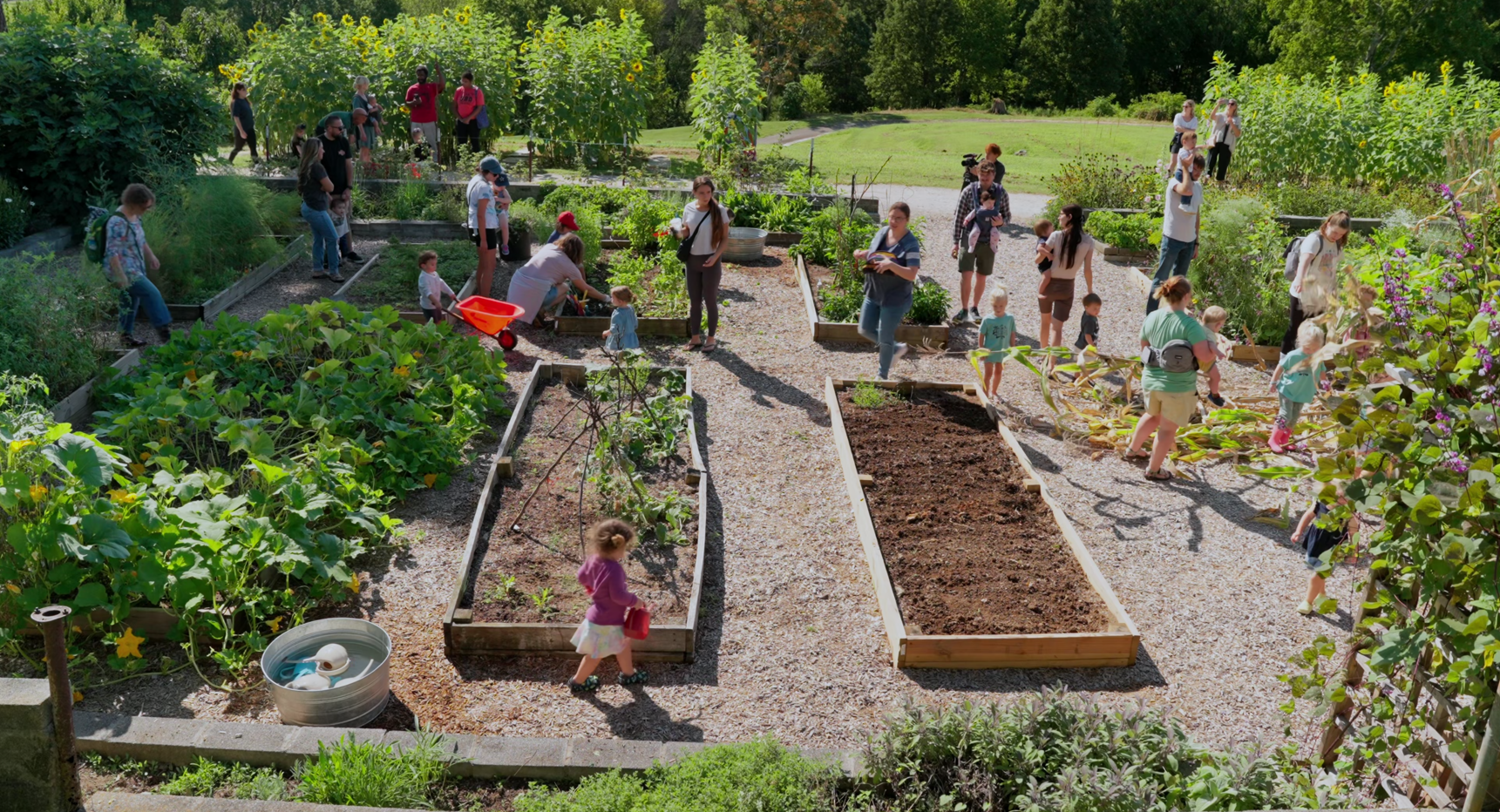
The Garden is focused on strengthening communication, community engagement, and public awareness to position KBGA as a distinctive community asset. This work includes sharing the Mission, Vision, and Strategic Plan with civic, cultural, governmental, and philanthropic partners, cultivating deeper relationships within the community, and exploring the creation of a Marketing Committee to guide this outreach.
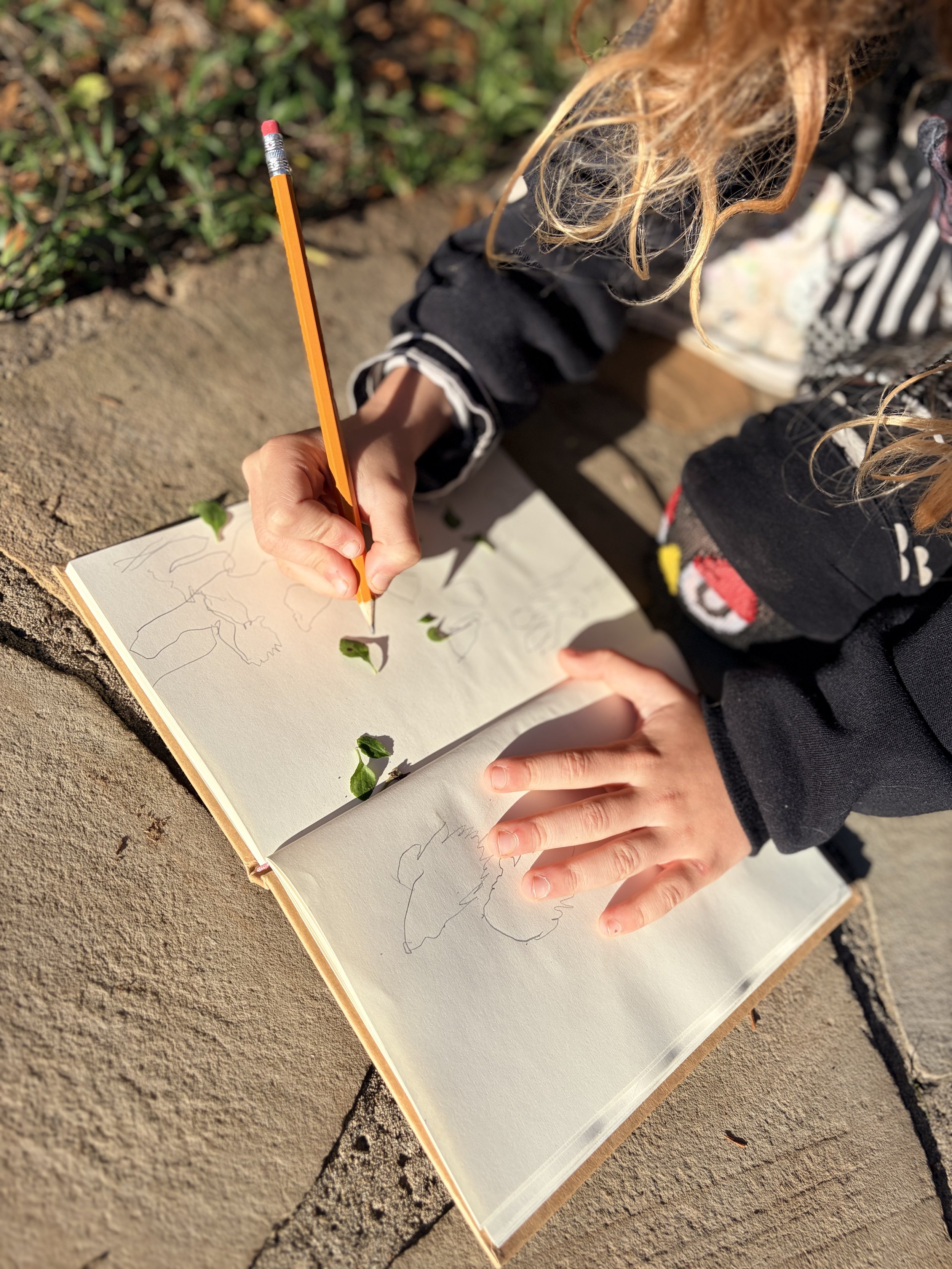
Visitor experience will be enhanced through a comprehensive study of how guests use and navigate the garden, with attention to amenities, wayfinding, and emerging needs. Systems will be developed to track visitor traffic, and new programs will be designed to increase attendance and foster long-term stewardship. Educational and community offerings—including seminars, self-guided tours, and youth and family partnerships—will be expanded to reflect community priorities and build meaningful engagement.
A comprehensive marketing and communication plan will broaden awareness and strengthen KBGA’s presence across digital and traditional platforms, elevating the Garden as a destination for experiences, learning, events, and rentals. Stronger neighborhood connections will be nurtured through intentional communication, welcoming practices, and inclusive representation. Finally, the Garden will collect and share its historical narratives—from the Howell family to the site’s broader horticultural and community legacy—to enrich storytelling and support outreach, fundraising, and interpretation.